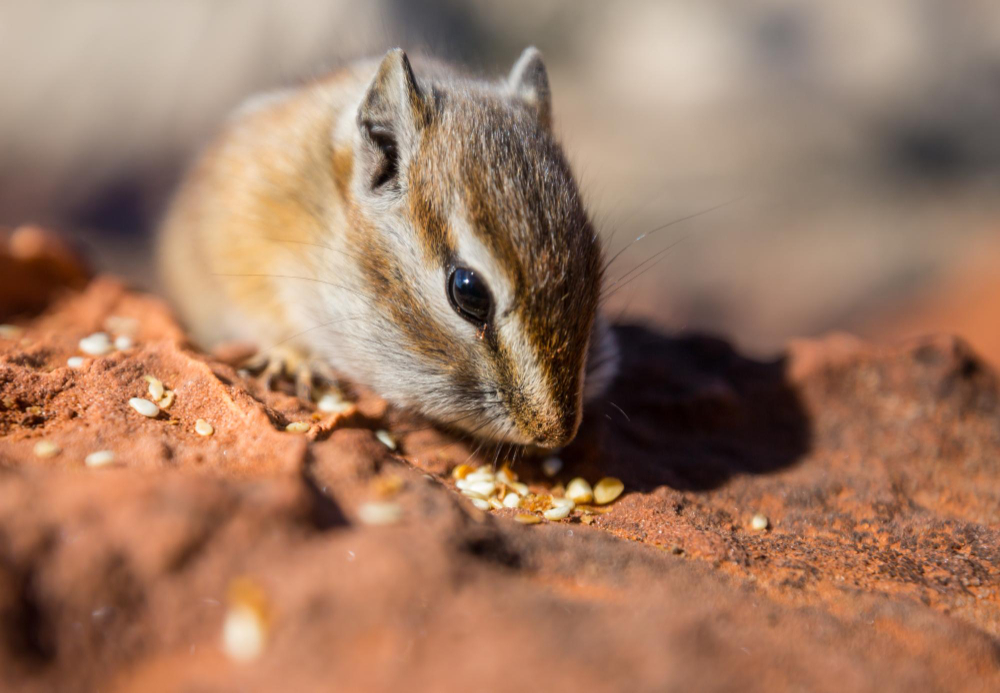
African Dormice (Graphiurus murinus)
Updated:
African Dormice are best kept by people who enjoy active display animals and detailed enclosure work. They are tiny, fast, social, and rewarding, but they do best when the setup is secure, warm, and full of climbing structure.
Best For
Keepers who want an active nocturnal watch-and-enjoy species.
Social Setup
Compatible same-sex pairs or trios usually do better than singles.
Care Focus
Security, climbing enrichment, warmth, and a varied omnivorous diet.
Care at a Glance
- Temperatures: Ambient 72-78°F with a warm pocket around 78-82°F; avoid chilly drafts.
- Humidity: Moderate, roughly 40-60%, with dry upper climbing areas and a cozy nest box.
- Housing: Secure arboreal setup with tight mesh, branches, hides, and an exercise wheel.
- Social setup: Best kept in compatible same-sex pairs or small groups when introduced carefully.
- Diet: Quality seed mix plus insects, small amounts of fruit/veg, and occasional protein.
- Activity: Nocturnal, quick, and delicate; better as a watch-and-enjoy pet than a handling pet.
Natural History
African Dormice are tiny nocturnal rodents from the Graphiurus group. In captivity they thrive in setups that prioritize vertical space, hiding spots, climbing enrichment, and stable warmth. They are extremely agile and can squeeze through small gaps, so security matters as much as size.
Enclosure
- Style: Escape-proof glass or acrylic enclosure with very fine mesh ventilation works best.
- Size: A larger footprint is always better, but vertical climbing space is especially valuable for this species.
- Layout: Include cork tubes, branches, grapevine, hammocks, ladders, and at least one enclosed sleeping box.
- Wheel: Offer a solid-surface wheel sized for small rodents; avoid wire wheels.
- Security: Check every lid, cable port, and gap. Dormice are expert escape artists.
Substrate & Nesting
- Substrate: Aspen or paper-based bedding works well; avoid cedar and pine.
- Nest material: Provide unscented paper nesting, soft hay, or shredded tissue.
- Depth: A few inches of bedding helps with scent control and natural foraging behavior.
- Cleaning: Spot clean several times each week and avoid full deep-cleans so often that you remove all familiar scent.
Temperature & Lighting
- Target range: Keep the room or enclosure reliably warm, generally in the low-to-mid 70s°F.
- Warm zone: One side can be slightly warmer, but the whole enclosure should not overheat.
- Light cycle: Follow a regular day/night rhythm and avoid placing the enclosure in intense direct sun.
- Important: If kept too cold, dormice may become sluggish or enter torpor.
Diet & Feeding
- Base diet: Use a varied small-rodent seed or grain mix rather than feeding only sunflower-heavy mixes.
- Protein: Offer mealworms, small crickets, or a little cooked egg several times per week.
- Fresh foods: Small portions of apple, banana, berries, leafy greens, peas, or similar produce can be rotated in.
- Treats: Use nuts sparingly since they are calorie-dense.
- Schedule: Place fresh foods in the evening when they wake up; remove leftovers the next morning.
Routine Care
- Daily: Check water, remove spoiled fresh food, and make sure every latch and lid is still secure.
- Weekly: Spot clean favorite toilet corners, wipe shelves, and refresh part of the nesting material.
- Monthly: Do a deeper clean while preserving some familiar bedding or nest material to reduce stress.
Water
- Fresh water should always be available.
- A small bottle is usually the cleanest option, though some keepers also provide a shallow dish.
- Check function daily because tiny animals can dehydrate quickly if a bottle clogs.
Behavior & Handling
- African Dormice are social, alert, and most active after dark.
- They are fast and delicate, so routine handling should be minimal and gentle.
- Use a cup or small hide to move them instead of grabbing when possible.
- Provide clutter and climbing routes to reduce stress and encourage natural activity.
Companions & Breeding Caution
- Do not mix sexes unless you are intentionally breeding and prepared for babies.
- Introduce new animals carefully on neutral terms and monitor for chasing or resource guarding.
- Offer multiple hides, feeding points, and climbing routes so lower-ranking animals are not trapped.
Health & Troubleshooting
- Weight loss or lethargy: Review temperature first and contact an exotics vet if behavior changes persist.
- Respiratory signs: Sneezing, clicking, or labored breathing need prompt veterinary attention.
- Injuries: Falls, wheel accidents, or social squabbles can happen in small enclosures.
- Overgrown nails or poor coat quality: Usually point to husbandry, enrichment, or diet issues that need adjustment.
Quick Setup Checklist
- Escape-proof enclosure with fine mesh ventilation.
- Branches, cork, hides, nesting material, and a solid wheel.
- Stable low-to-mid 70s°F room temperature with no drafts.
- Varied omnivorous diet with insects and fresh foods in rotation.
- Same-sex companionship unless you are intentionally and responsibly breeding.